Indian Wildlife Encounters
Indian Wildlife Encounters
TOUR OVERVIEW
The Indian subcontinent is one of the world’s most stimulating destinations. While its melange of cultures has long drawn the attention of historians and travelers, its wild habitats offer rare treasures for those who are passionate about nature. This comprehensive safari gets you far away from India’s intense cities and into its natural realm, a landscape of powerful rivers, fabled jungles and intriguing wildlife. This is the native territory of the Bengal tiger, whose numbers are on the rise after a century of decline. Conservation travel is integral to protecting wildlife in India, and our presence directly benefits the continued existence of tigers and other precious endangered species, like the one-horned rhinoceros, which we go in search of on daily 4×4 wildlife drives. Join us for the grandest Indian wildlife safari we know of!
IS THIS HOLIDAY FOR YOU?
At Great India Retreats, we provide access to some of the most wondrous nature encounters the world has to offer. Many take places in destinations that are wild and remote, with varying physical demands and limited medical facilities. All trips may not be suitable for every traveller. Travelers must be able to walk 2 miles unassisted along a variety of terrain and should expect to walk for a total of 2-4 miles per day. Terrain includes gravel, pavement and dirt paths, sometimes on uneven ground; travellers should also be prepared to walk through large airports, crowded city streets, and cultural sites with stone flooring and stairs


Why Great India Retreats?
We have carefully put together this trip for those wanting to see the outstanding highlights of Royal Rajasthan in one perfect package. More than the typical Golden Triangle tour this area is rightly renowned for, we also include the rich culture and heritage of Jodhpur and Udaipur. With visits to the architectural wonders of Rajasthan and Agra; this holiday represents a trip of the lifetime.
Meeting and assistance on arrival and you will be transferred to your hotel.
Delhi, the capital of India, has a long and storied history that goes back 3,000 years. One of the world’s oldest continuously inhabited cities, and has been the beating heart of many empires, from the Delhi Sultanate and the Mughals to the British. Each one has left its imprint on Delhi’s architecture, creating a varied and multicultural cityscape. Three UNESCO World Heritage sites span the centuries and are arguably the highlights of our tour today. The 12th-century Qutub Minar is an early example of Delhi’s Islamic heritage. Humayun’s Tomb, built in the 16th century, features a garden mausoleum with a striking octagonal design. Finally, there is the iconic sandstone Red Fort, or Lal Quila, built by the Mughal emperor Shah Jahan in the 17th century. Today, Delhi is split between ‘Old Delhi’, with its narrow streets, bazaars, and historical monuments, and ‘New Delhi’, with its wide boulevards and grand government buildings. One thing they both have in common is delicious street food ranging from chaat and kebabs to flaky parathas, making Delhi a food lover’s paradise.
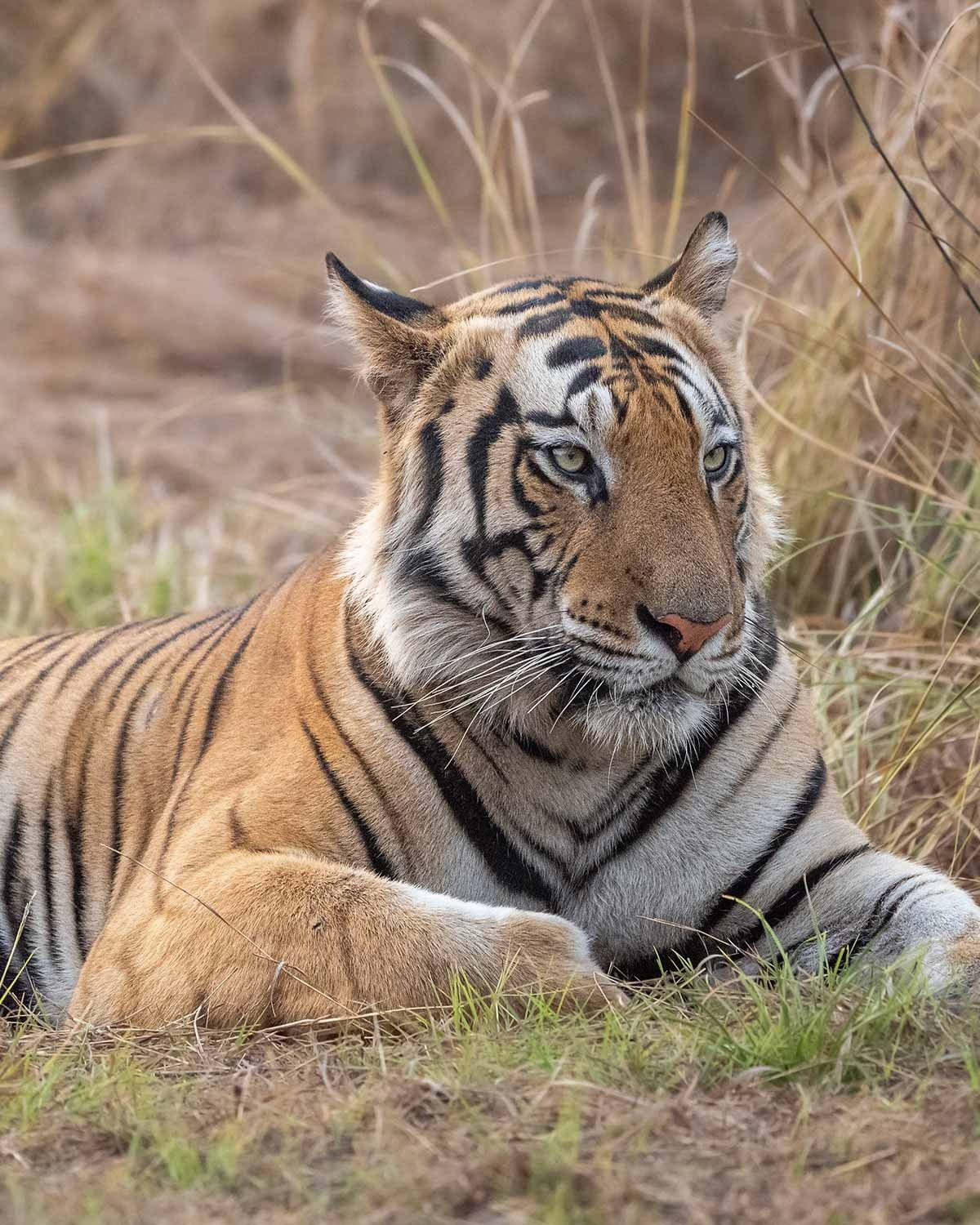
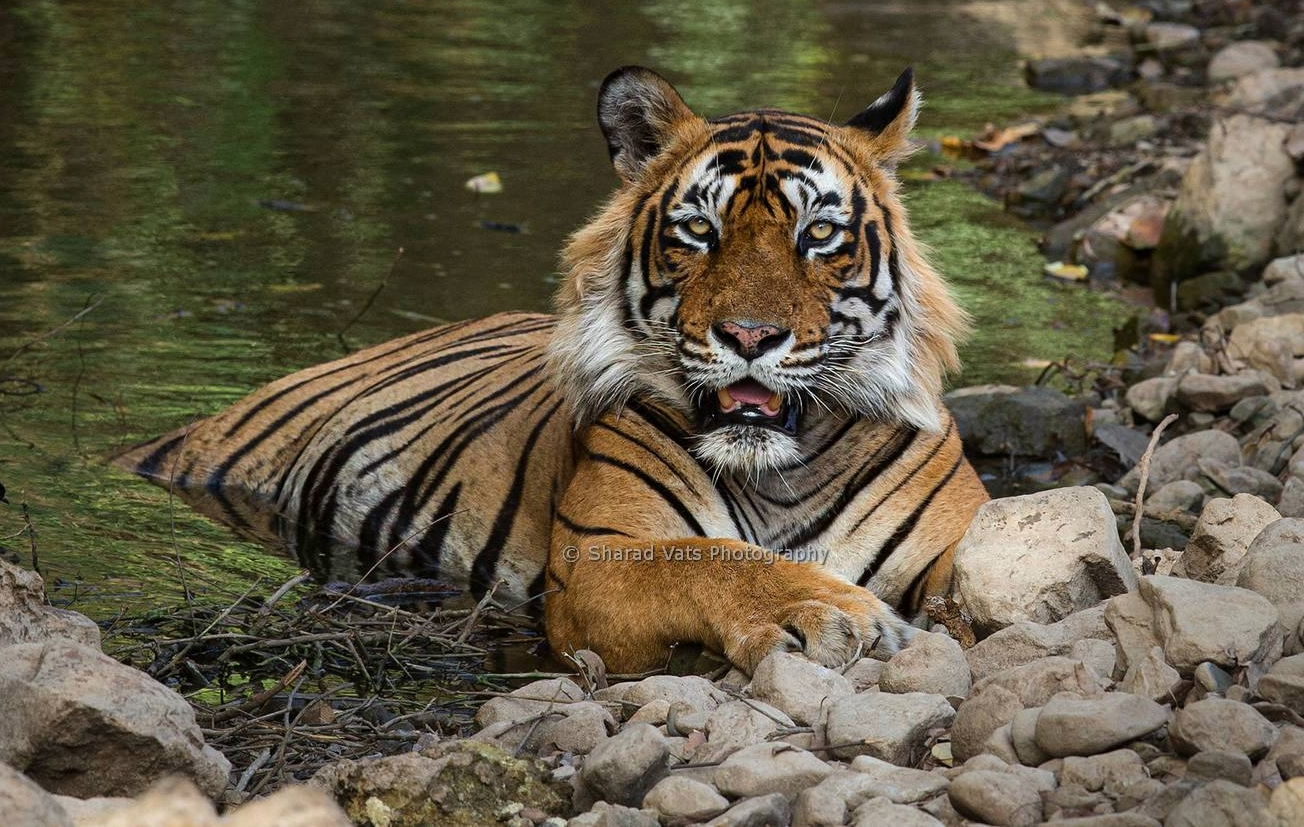
Transfer to the airport very early this morning for our flight south to Jabalpur. Continue on a half-day’s drive through the countryside of Madhya Pradesh to reach Bandhavgarh National Park. An essential stop on any serious India safari, Bandhavgarh is renowned for one of the country’s highest concentrations of Bengal tigers. Originally established as a national park in 1968, Bandhavgarh was declared a protected tiger reserve under Project Tiger in 1993. t is a relatively small park with a thriving tiger population, offering visitors a good chance of encountering them, as well as other distinctive Indian wildlife. Check in to Kings Lodge, a leading ecolodge surrounded by wild natural forest just outside the park boundary. Then, time permitting, we’ll set out on our first wildlife drive in open 4×4 safari vehicles.
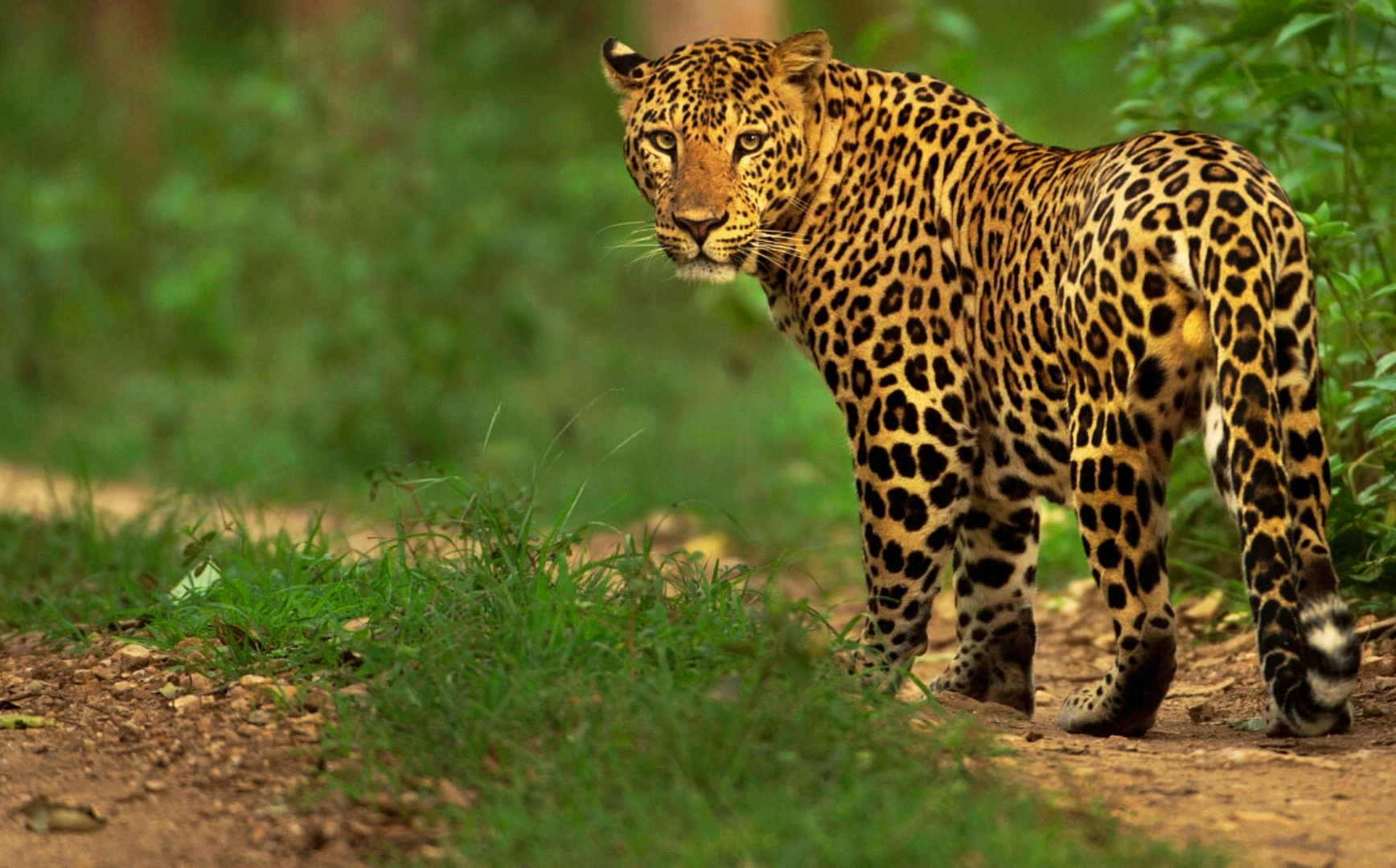
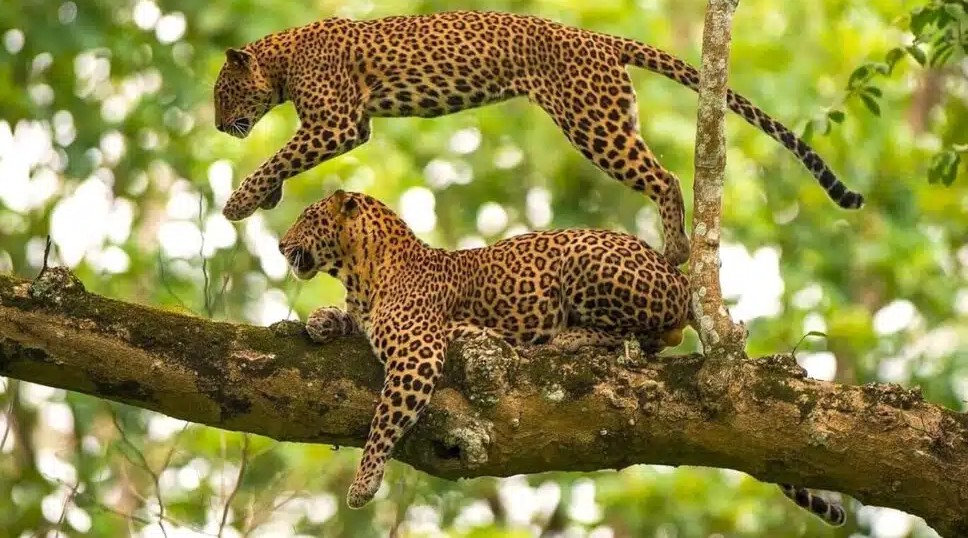
Over the next two days, explore Bandhavgarh’s varied habitats on morning and afternoon wildlife drives. Covered predominantly with sal and mixed deciduous forest, thickets of bamboo and expansive grasslands that line the stream valleys, the park’s hilly terrain harbors one of the world’s highest densities of tigers. Bandhavgarh was once a prime hunting reserve for the Maharajas of Rewa, where Maharaja Raman Singh alone shot an astounding 111 tigers by 1914. Today it is a pacesetter in tiger protection. With tigers at the apex of the food chain, Bandhavgarh’s rich biodiversity includes a multitude of other wildlife. We expect to see a sampler of its 37 mammal species, among which are leopard, jungle cat, civet, wild boar, sambar, spotted deer, muntjac (barking deer), gaur, sloth bear and Asiatic jackal. Some 250 bird species, 70 different butterflies and various reptiles round out the diverse wildlife population.
Embark this morning on a half-day drive to Kanha National Park. Situated in the Satpura Hills of central India, the park covers 750 square miles of rich and varied wildlife habitat. Its lush sal and bamboo forests, grassy meadows and ravines provided inspiration to Rudyard Kipling for his famous collection of stories in The Jungle Book . Kanha was established as a national park in 1955 and forms the core of the Kanha Tiger Reserve, created in 1974 under India’s Project Tiger. The park’s landmark achievement is the preservation of the rare barasingha, an endangered swamp deer with 12-point antlers, saving it from near-extinction. Strict conservation programs for the overall protection of the park’s fauna and flora make Kanha one of the most exemplary national parks in Asia. From our luxurious ecolodge base in the tiger heartland of the world, learn in depth about the Bengal tiger and its habitat and observe how conservation travel directly benefits local communities and the tiger reserve. Following lunch on arrival, gain an introduction to the region on an initial safari drive in the park’s scenic buffer zone, where we occasionally see Bengal tigers among other abundant wildlife.
Scenic Kanha, once a hunting ground for imperial rulers and viceroys, is now one of India’s most important conservation reserves. We spend three days exploring this premier national park in search of Bengal tigers and other wildlife on excursions in open 4×4 vehicles. With ideal habitat for tigers and their prey, it offers some of India’s best tiger viewing, though it can take effort to locate them in the sun-dappled forest that provides superb camouflage for many species. On our first two days, we greet the dawn with an early wildlife drive, entering the park just as the sun’s rays are breaking over the jungle. The open meadows where herbivores graze attract tiger, leopard and dhole (wild dog) to the edges of the clearings, and we’ll hope to see some of these predators on the hunt. The Banjaar River bordering the park provides a steady water source for wildlife. Dense jungle interspersed with vast grassy meadows called maidans support a range of species similar to those in Bandhavgarh. Other mammals we might see include barasingha (swamp deer), common langur, gaur (the world’s largest wild ox) and rhesus monkeys. After returning to our ecolodge for lunch, we head back out for afternoon wildlife drives, anticipating more chances to search for tigers and other wildlife.
As the morning mists lift, we take a walk with our Expedition Leader in the buffer zone on the edge of the park’s core area, following the Bahmani Nature Trail through pristine sal forest along the banks of the Banjar River. To be on foot in the jungle offers an intimate, primal encounter with this dense habitat and its wild inhabitants, in a manner that touches all five senses.
After our jungle walk, we drive a half-day to Raipur, watching scenes of daily rural life unfold along the roadside, then fly to Kolkata late this afternoon.
Fly from Kolkata to Jorhat and continue by road into far-eastern India to reach Kaziranga National Park in the state of Assam. The park, which borders the sacred Brahmaputra River, was created in 1926 as a refuge for the one-horned rhinoceros. Once hunted nearly to extinction, this 2-ton beast today is a conservation success story, its population rebounding to more than 2,000 individuals. Two-thirds of the world’s one-horned rhinos are found within the park, and we’re sure to see plenty of them grazing in the open. In addition to the rhino, Kaziranga is home to some of India’s other largest mammals including Asian elephant, Asian water buffalo and barasingha. Stay at Diphlu River Lodge, whose verdant grounds contain more than 40 species of trees and some 200 species of shrubs, creepers and climbers.
Morning and afternoon wildlife drives reveal Kaziranga’s diverse habitats—a mix of elephant grass, thorny rattan cane, tracts of semi-evergreen forest and shallow marshes. Stretching from the banks of the Brahmaputra River to the dense forests of the Mikir Hills, the reserve hosts an impressive variety of animals. In addition to one-horned rhinoceros, keep a close eye out for buffalo, elephant, wild boar, hog deer, hoolock gibbons, sloth bears and pythons, as well as the elusive Bengal tiger. The national park has been declared an Important Bird Area by Birdlife International and is home to a great variety of resident and migratory birds. Drawn to the life-giving artery of the Brahmaputra River, waterfowl abounds, and we may see egrets, pond herons, river terns, black-necked storks, fishing eagles and pelicans. In the river, look for otters and rare Gangetic dolphins.
A special event during our time in Kaziranga is a chance to meet the park’s working elephants up close. These elephants, which accompany rangers on regular patrol missions, are accustomed to interacting with guests. Conditions permitting, on one afternoon an elephant will be brought to our lodge where we can interact with it and feed it fruit under the guidance of its handler.
After breakfast, drive to Guwahati to catch our afternoon flight back to Delhi.
A private transfer to the airport for your flight back home.