Memorable Treasures of India
Memorable Treasures of India
TOUR OVERVIEW
Experience a luxurious journey through North India, blending heritage, architecture, and spirituality. Begin in Delhi, where ancient charm meets modern luxury. Visit Jaipur, the royal city with majestic palaces and forts, followed by the iconic Taj Mahal in Agra. Explore the historic Gwalior Fort and the architectural beauty of Orchha, where temples and palaces line the Betwa River. Marvel at the UNESCO-listed temples of Khajuraho, known for their intricate carvings.
Conclude your adventure in Varanasi, the spiritual heart of India, where you’ll witness the sacred Ganges and Ganga Aarti ceremonies at sunrise. This exclusive tour features an unforgettable exploration of India’s cultural landmarks, perfectly blending opulence with heritage.
IS THIS HOLIDAY FOR YOU?
This touring and sightseeing adventure holiday incorporates many of the highlights of northern India and is perfect for anyone wanting to experience the culture and natural beauty to be found in this this part of the world. There is a fair amount of travelling, as we journey between various cities in north India. However, using private, air-conditioned transportation, the effect of this is kept to a minimum. Whilst sightseeing, there will be some leisurely walking on city streets, local markets and on good trails.
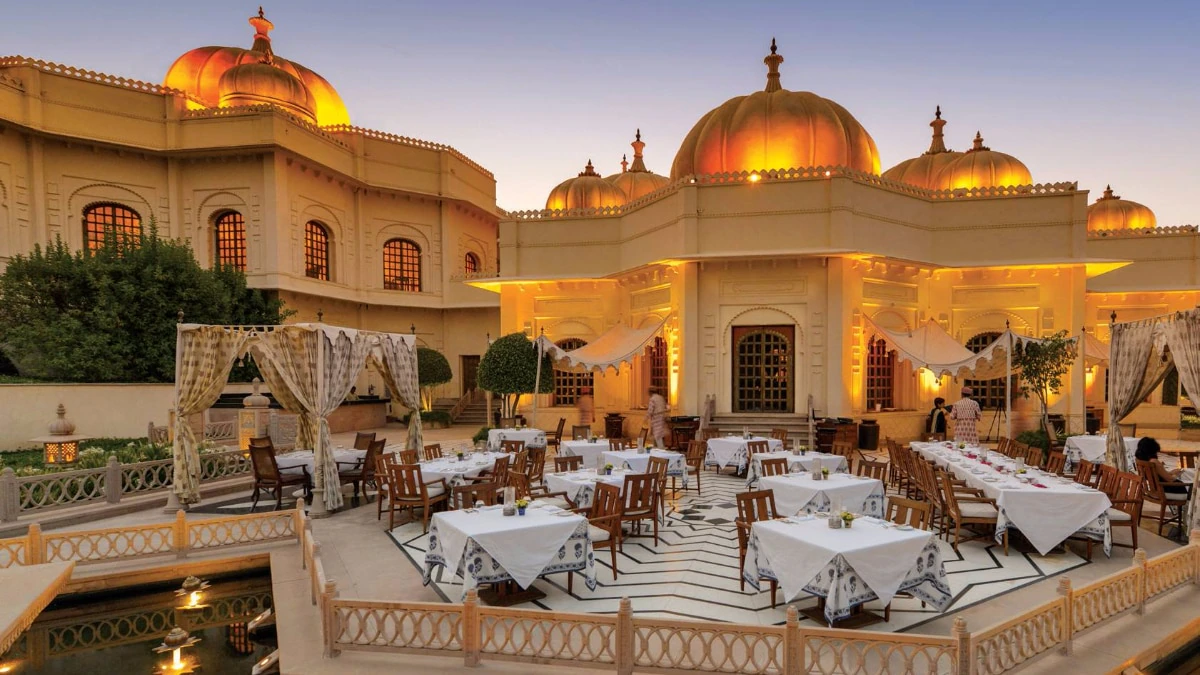
Why Great India Retreats?
We have carefully put together this trip for those wanting to see the outstanding highlights of Royal Rajasthan in one perfect package. More than the typical Golden Triangle tour this area is rightly renowned for, we also include the rich culture and heritage of Jodhpur and Udaipur. With visits to the architectural wonders of Rajasthan and Agra; this holiday represents a trip of the lifetime.
Other Trips You Might like
Meeting and assistance on arrival and you will be transferred to your hotel.
Delhi, the capital of India, has a long and storied history that goes back 3,000 years. One of the world’s oldest continuously inhabited cities, and has been the beating heart of many empires, from the Delhi Sultanate and the Mughals to the British. Each one has left its imprint on Delhi’s architecture, creating a varied and multicultural cityscape. Three UNESCO World Heritage sites span the centuries and are arguably the highlights of our tour today. The 12th-century Qutub Minar is an early example of Delhi’s Islamic heritage. Humayun’s Tomb, built in the 16th century, features a garden mausoleum with a striking octagonal design. Finally, there is the iconic sandstone Red Fort, or Lal Quila, built by the Mughal emperor Shah Jahan in the 17th century. Today, Delhi is split between ‘Old Delhi’, with its narrow streets, bazaars, and historical monuments, and ‘New Delhi’, with its wide boulevards and grand government buildings. One thing they both have in common is delicious street food ranging from chaat and kebabs to flaky parathas, making Delhi a food lover’s paradise.
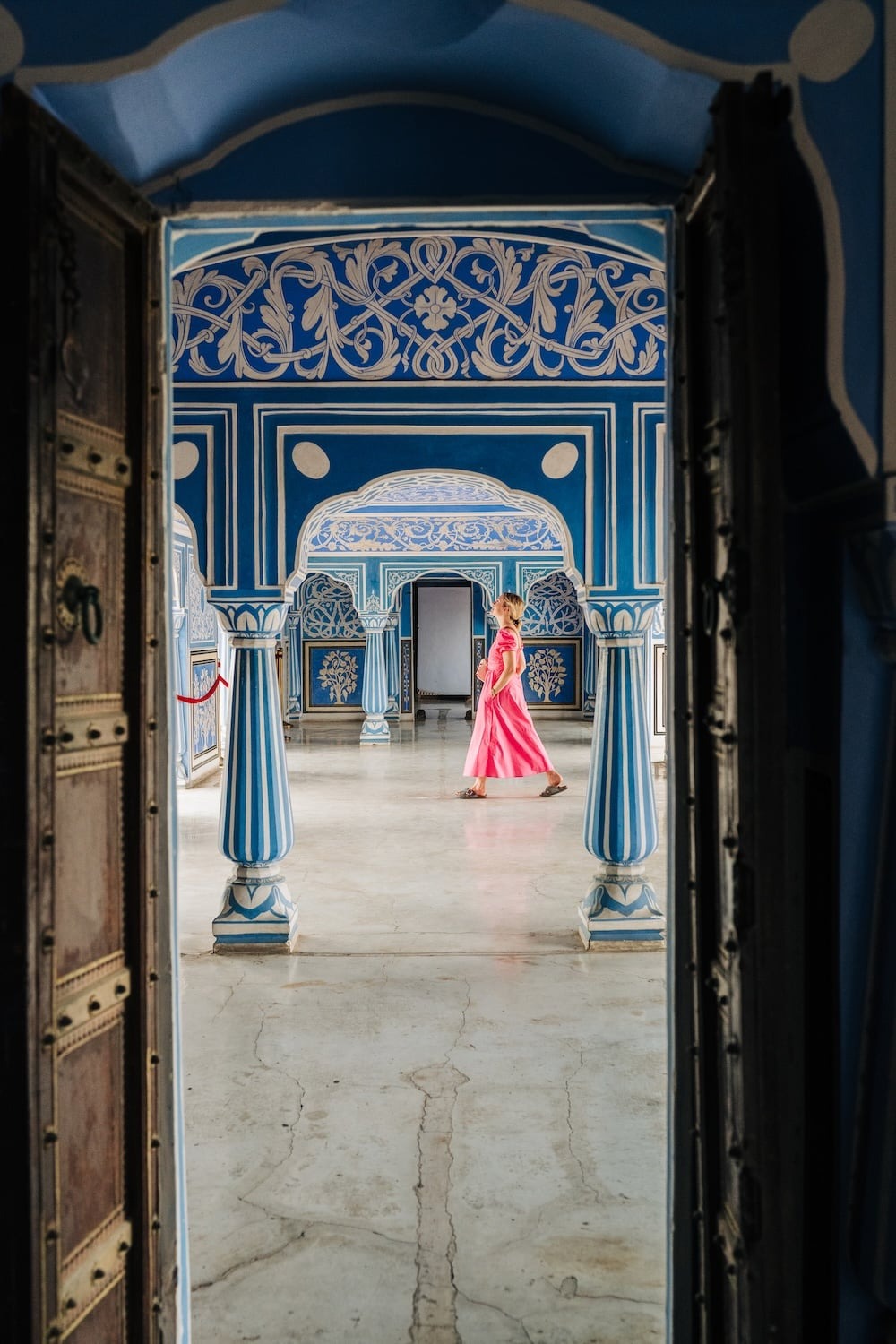
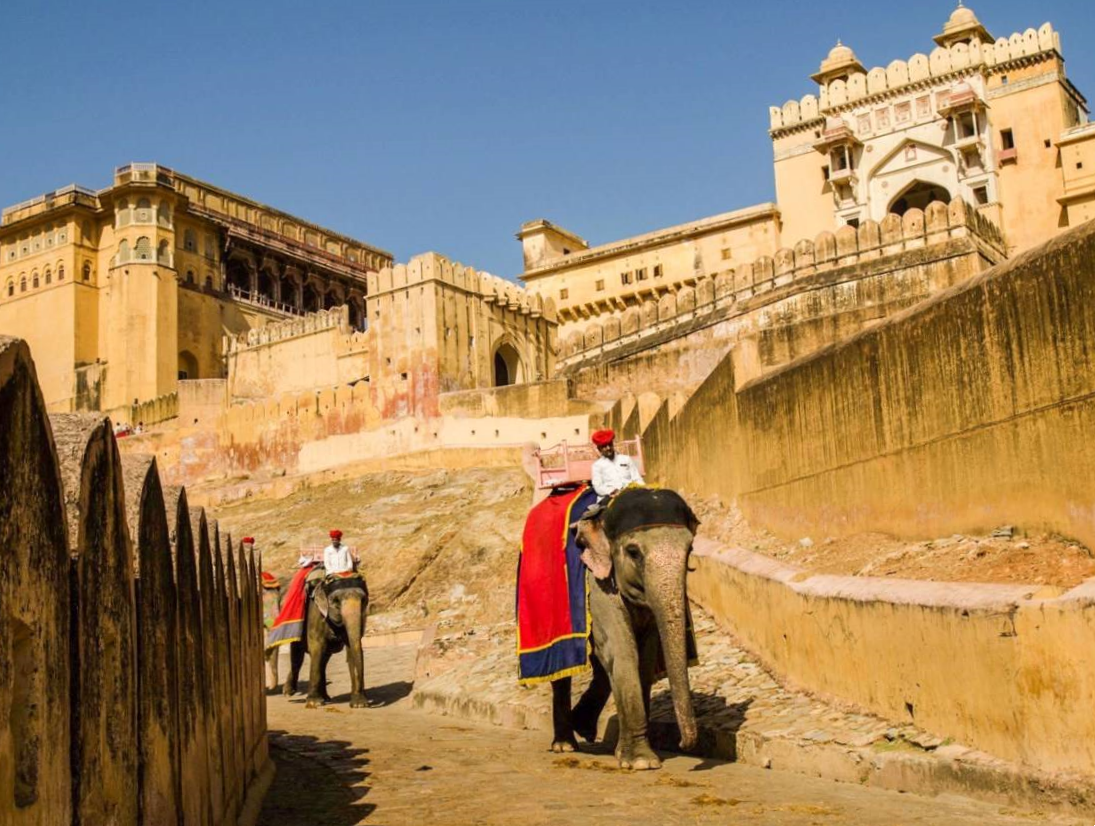
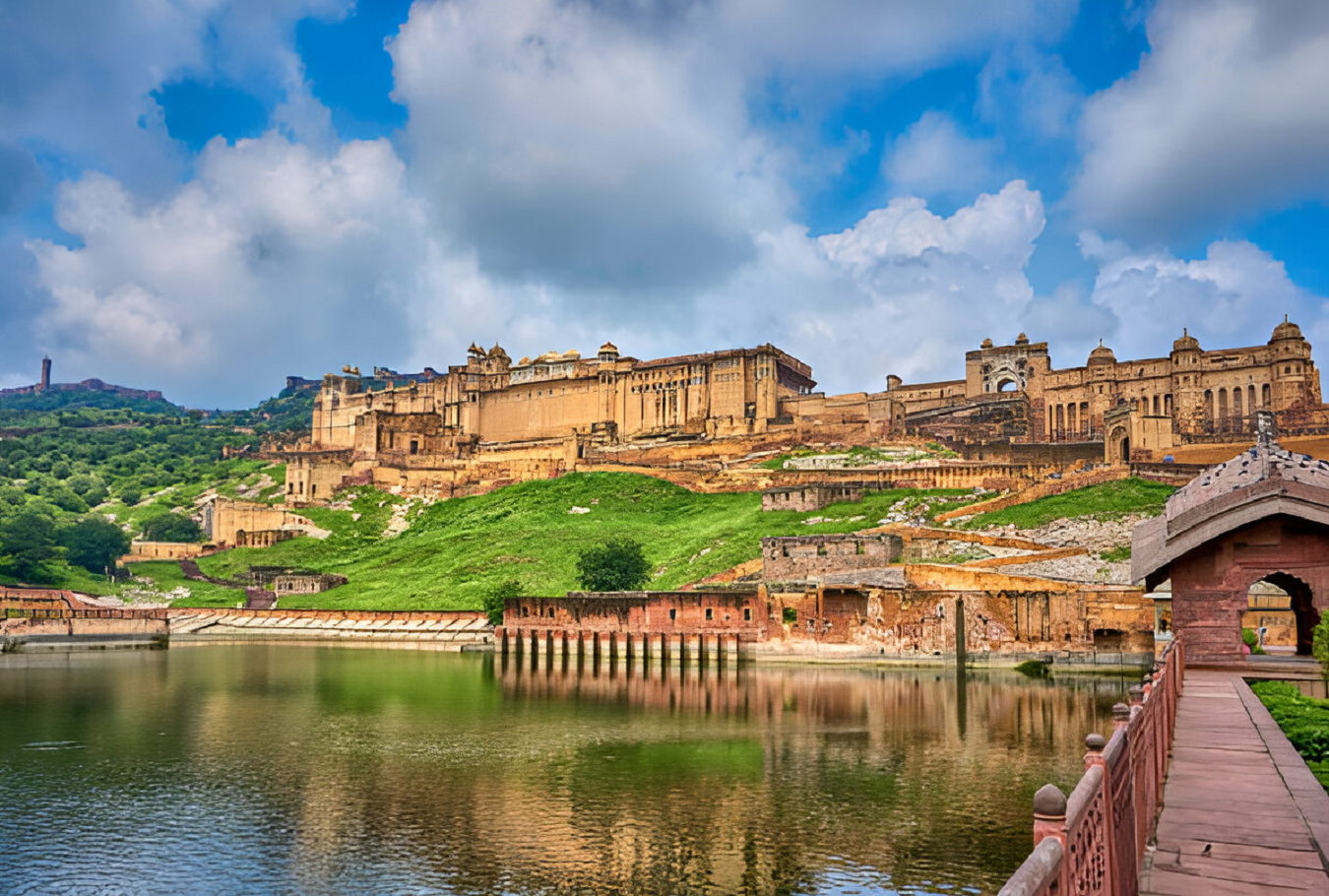
A leisurely breakfast and drive to Jaipur, which is the capital of India’s Rajasthan state. It evokes the royal family that once ruled the region and that, in 1727, founded what is now called the Old City, or “Pink City” for its trademark building color. At the center of its stately street grid (notable in India) stands the opulent, colonnaded City Palace complex. With gardens, courtyards and museums, part of it is still a royal residence.
Jaipur is a living tapestry of grand forts, bustling bazaars and centuries-old craftsmanship. Founded in 1727 by Maharaja Sawai Jai Singh II, India’s first planned city rises majestically from the Rajasthan plains. The nickname ‘Pink City’ comes from the terracotta-rose hue painted across the old town in 1876 to welcome the Prince of Wales. The gesture of hospitality has become a permanent identity. Here, you will find auto-rickshaws weaving past palace walls and street vendors selling fresh samosas beneath intricately carved balconies. The atmosphere is both regal and chaotic. A city landmark is Hawa Mahal, the extraordinary five-story facade of 953 jali windows designed so royal women could observe street life unseen. There is also the City Palace, the current maharaja’s residence, which is a complex of courtyards and museums. You will also find Jantar Mantar, the 18th-century astronomical observatory with massive geometric instruments still accurate today. Do not miss visiting the lively bazaars to soak in the sights and sounds.
Travel to the well-preserved former Mughal capital of Fatehpur Sikri. The drive will take at least 4 hours. Built during the second half of the 16th century by the Emperor Akbar, Fatehpur Sikri (the City of Victory) was the capital of the Mughal Empire for just 10 years. Legend has it that the city was built here after a chance meeting between the emperor and a holy man close to this spot, but ultimately its location proved to be strategically untenable and it was abandoned. There is no inhabited city here but the complex of monuments and temples, all in a uniform architectural style, are superbly preserved and includes one of the largest mosques in India, the Jama Masjid. The city is now a World Heritage Site. Following a guided sightseeing tour of this ancient city, we continue our drive to Agra.
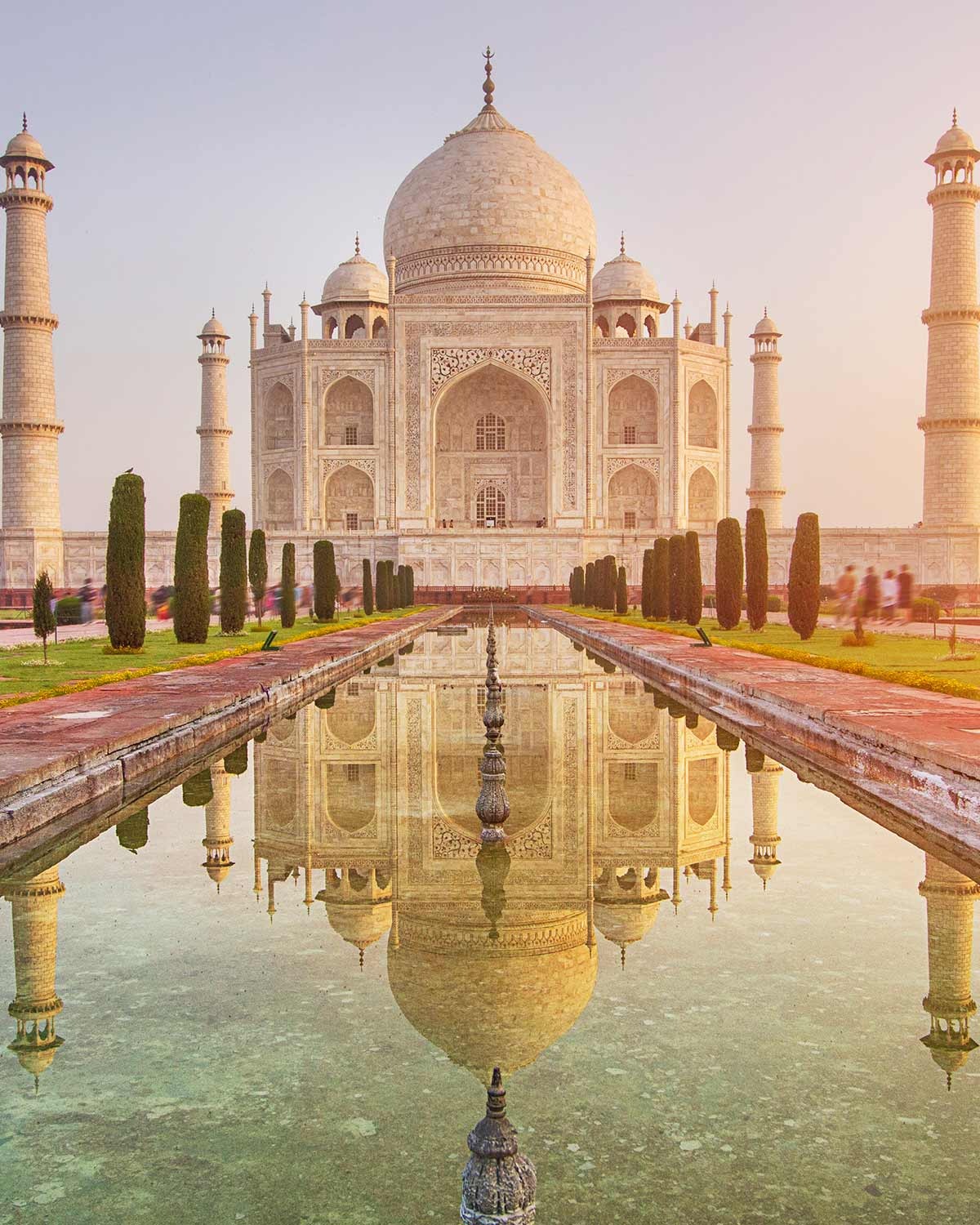
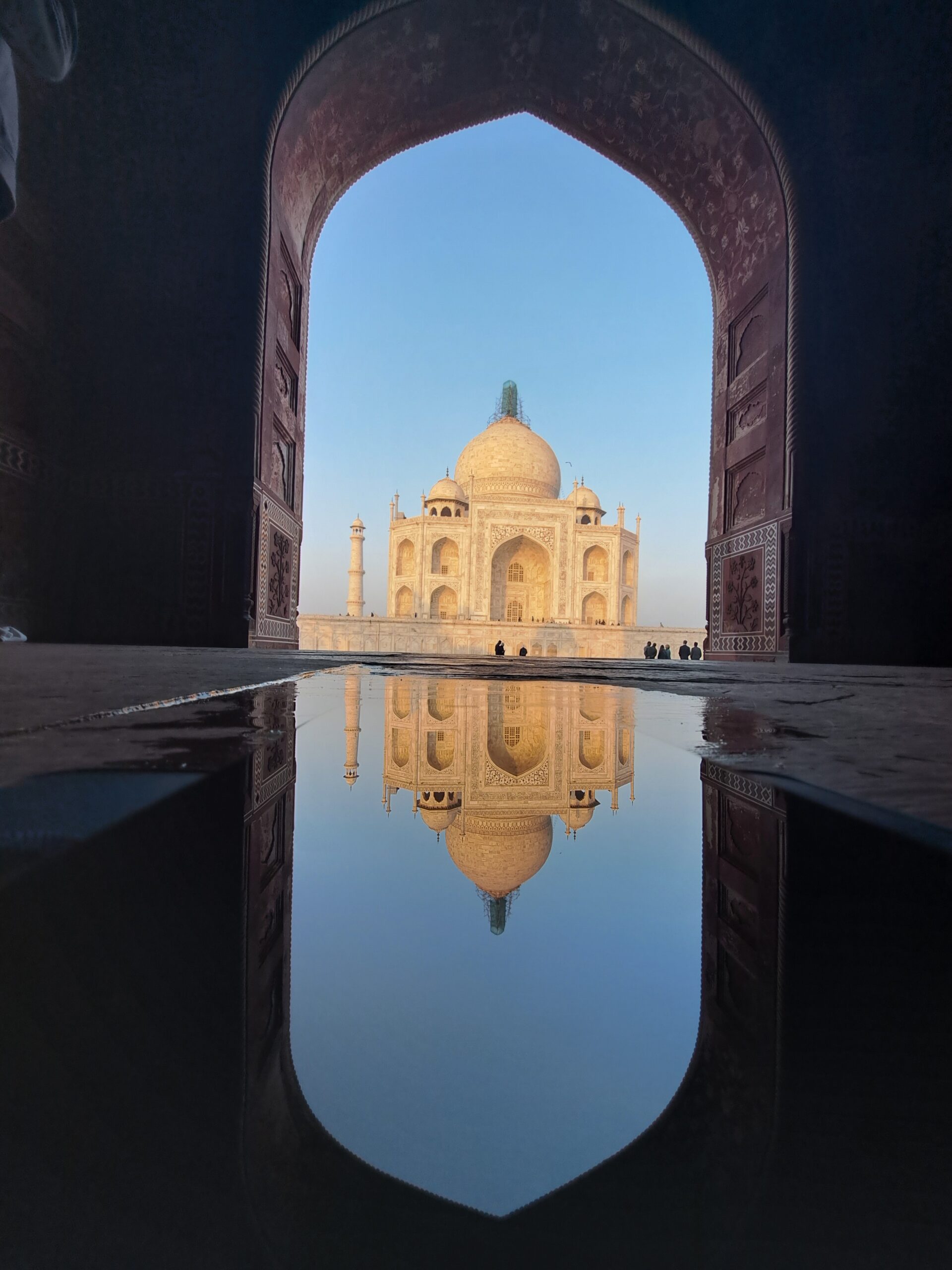
A highlight of the tour, this morning at sunrise, we visit the Taj Mahal – one of the man-made ‘seven wonders’ of the world. Whatever you think you know about the Taj Mahal from the countless photographs and images which are worldwide, you are in for a pleasant surprise. No photograph can adequately portray the exquisite beauty, precision and craftsmanship of this incredible monument built for love. It took 20,000 people 22 years to build it, using over 1000 elephants to transport the marble for its dazzling white walls and dome. Twenty eight different types of precious and semi-precious stones are inlaid into parts of the marble, some of these depicting verses from the Koran in highly decorative script. The Taj Mahal itself is a mausoleum for Mumtaz the wife of its builder Shah Jahan and is set in tranquil gardens providing several vantage points from which to contemplate the building. From an upper terrace it is possible to look across the Yamuna River, the largest tributary of the Ganges, towards the Agra Fort. A visit to the Taj Mahal can easily absorb a whole day, but there are more sights that we want to see in Agra.
In the afternoon we drive to the Agra Fort, another UNESCO World Heritage Site. There has been a walled city on this site for more than a thousand years, but the present structure was built by the Mughals. Commanding gates, fashioned in red stone, as well as an excellent view of the Taj Mahal, just 2 and a half kilometres away, are highlights of this impressive site. We can also take the opportunity to drive across the Yamuna River to gain a different perspective of the Taj from the opposite bank. As our final Agra experience, we find a restaurant in one of the shopping streets and take a late lunch, with the chance to do some exploring in the bazaar.
After breakfast, begin your scenic drive towards Gwalior. Upon arrival, check in to your hotel and set out to explore the Gwalior Fort, a historic fortress known for its impressive architecture and panoramic views of the city. Next, visit the elegant Jai Vilas Palace, an exquisite example of royal opulence with its grand halls and stunning interiors. In the evening, return to your hotel for a restful overnight stay, reflecting on the day’s remarkable cultural and architectural discoveries.
After breakfast, begin your drive towards Khajuraho, with a scenic stop at Orchha to explore its historic monuments. Orchha, a medieval city, is home to remarkable palaces and temples built by the Bundela rulers in the 16th and 17th centuries, many of which are beautifully preserved. Among the most notable is the Jehangir Mahal, an exquisite palace featuring elegant chhatris (domed pavilions) that offer stunning views of the temples, cenotaphs, and cremation sites along the river. After soaking in the historical grandeur of Orchha, continue your drive towards Khajuraho. Upon arrival, check in to the luxurious Lalit Temple View Hotel, where you can unwind and relax. Enjoy a peaceful overnight stay, preparing for the next day’s exploration of the fascinating temples of Khajuraho.
Travel to Varanasi, also known as Banaras or Kashi, is one of the world’s oldest continuously inhabited cities. Located in Uttar Pradesh, India, it is considered the spiritual capital of the country and a major Hindu pilgrimage site, drawing millions of devotees who seek salvation and purification in the sacred Ganges River.
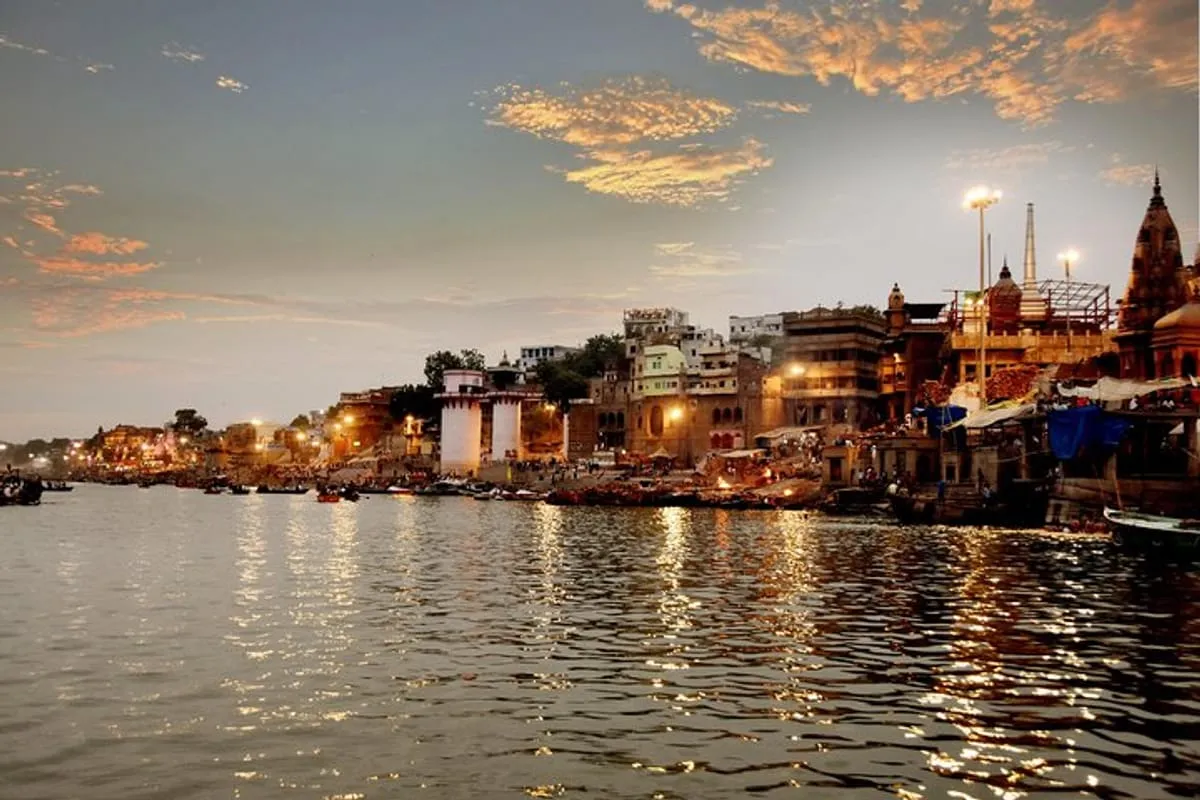
Late afternoon travel out to the banks of the Ganges to witness the aarti ceremony. This is an optional activity, as the journey can only reasonably be made by motorised rickshaw or ‘tuk-tuk’ during the busiest part of the day. This is an exciting way to travel (it takes 20 minutes in each direction) and may not be to everyone’s taste. However, the aarti ceremony is unmissable and highly recommended.
Early morning pre-dawn darkness we make our way to the ghats where our boat is waiting. All aboard we float out onto the river for one of India’s most magical experiences, watching the sun rise over the Ganges and the ghats. After the spectacle of the sunrise itself, we rowed slowly along the river, watching the activity of the ghats as the devotees came down to the waters. All aspects of life can be seen on the ghats as people make their offerings and prayers, wash themselves and their clothes and even cremate their loved ones on the banks of the most important river in Hinduism. From our vantage in the boat and with the soft pink dawn light, the higgledy-piggledy arrangement of temples and houses rising from the shore have a magical quality. In the afternoon we explore the busy bazaars of Varanasi. As well as having the distinction of being one of the oldest cities on earth, Varanasi is also famous for its silk and there are bargains to be had here if you are looking for souvenirs. The Buddhist site of Sarnath is a short distance outside the city.
A leisurely breakfast and we take our flight back to Delhi where your tour concludes.